What makes great branded content commercial talent in 2026?
The best branded content commercial talent in 2026 sells ideas and IP, not ad inventory, and can also speak the language of creators, prove results, protect margin and act as player-coaches leading teams. UK creator partnership revenue is forecast to reach £1.217bn this year (IAB UK and the IRM, via Marketing Week, 15 September 2026), which is why founders are competing for the same few people.”
Because the job has evolved. The best branded content sellers in 2026 live and breathe culture, and they sell ideas, concepts and IP/franchises. The old school playbook of packaging up impressions and sending a rate card isn’t enough.
What are the eight things the best people have in common?
- They have a natural feel for culture. This is the one I’d put above everything else. The very best branded content salespeople are plugged into cultural moments: music, film, TV, sport, fashion and the pop culture conversation of the week. They use those references as inspiration for ideas, and as seamless currency to build confidence with the brands they work with. When a seller can say, “this is the moment your audience is already talking about, and here’s how you earn a place in it”, a brand marketer leans in. That cultural instinct goes hand in hand with understanding the brief. It’s also connected to natural intellectual curiosity. Great sellers get under the skin of the audience in terms of their behaviours: who they are, what motivates them and what they’ll switch off from. That’s what lets them build long-tail content and creator partnerships that resonate, rather than one-off campaigns that are forgotten in a week. Audiences can smell a forced partnership a mile off. Authenticity is what makes the work land, and it’s what brings the brand back for a renewal (alongside driving results!)
- They sell ideas, concepts and IP. The deals that grow, renew and win awards are built around a big idea: a series, a format, a live moment, a product drop. Great commercial leads can dream up ideas that brands are chomping at the bit to be part of, then turn them into a deck that wins the room.
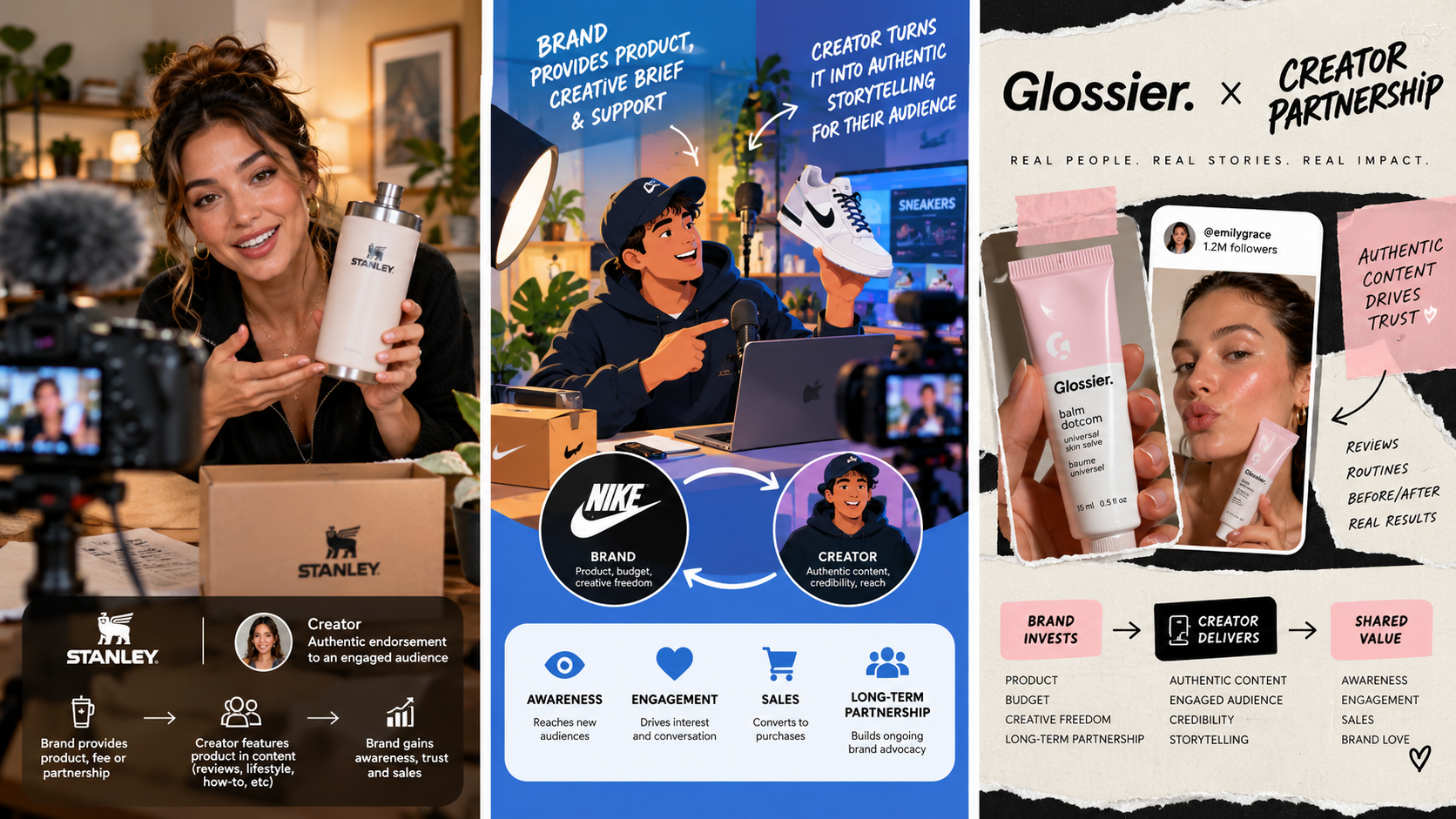
- They’re fluent in creators. It’s no longer enough to know brands. You need to know talent, managers and how creator deals actually work. And that £1.2bn figure doesn’t even include paid amplification of creator content, which IAB UK respondents suggested could be worth two to three times as much again (Marketing Week). If your seller can’t talk usage rights, whitelisting and paid media, they’re leaving money on the table.
- They can prove it worked. Only 38% of UK marketers measure influencer effectiveness with metrics like ROI, according to a Kolsquare survey reported alongside the IAB UK figures. The sellers who stand out bring proof: brand uplift studies, shifts in favourability and purchase intent, sales results and client testimonials. Proof it works is what gets a brand to come back and spend more.
- They protect margin. Branded content can look brilliant on revenue and painful on profit. The best people know their deal margin, who controls the production budget and what happens when a shoot overruns. Ask them for margin, not just deal size. Done right, branded content can add create departmental halo and still add a nice chunk of change to the P&L.
- They have real access to decision makers. Brand-direct marketers, agency leads partnership directors and traders all buy differently. Great talent has current relationships across all of those touch points, not a contacts list from three jobs ago.
- They use AI to move faster, not to think less. The best teams use AI for research, pitch prep and first drafts, so they can respond to briefs faster and personalise every proposal. Judgement, taste and relationships still win the deal.
- They’re player-coaches. I’m searching right now for a Head of Creative Strategy at a sports and entertainment publisher. The brief is clear: someone who can still dazzle in a pitch, and who can also develop and nurture a team of experts. In 2026 most growing businesses can’t afford a leader who only directs traffic or a star who can’t build a team or motivate others to lead them. The best leaders observe servant leadership (a future article for another time)
What KPIs separate good from great?
When I’m assessing commercial talent for clients, these are the numbers I want to see:
- Revenue vs. target over at least two to three years
- Win ratio: deals pitched against deals won
- Pipeline coverage: a £1.5 million target at an approximate conversion rate of 30% usually needs approximately £5 million in active live pitches and proposals. The conversion rate can vary between organisations. In my experience, if it’s less than 30%, you likely have a problem in either sales execution or communicating your value proposition and that’s a topic for another blog post. A 30% hit rate and above is where you need to be.
- Repeat business: share of revenue from returning brands, and whether they spent more
- Deal margin and average deal size over time
- Time to win hours and team members spent on a typical pitch
A great candidate has these things at their fingertips. Others give you the headline figure and go quiet on the detail.
A good interview question to test cultural instinct: “What cultural moment in the next six months would you build our next pitch around, and which creator would you bring in to make it feel authentic?” The best candidates light up. Others reach for the rate card.
How much should you pay for talent?
Obviously, seniority, contacts and experience all have a part to play but here are some basic benchmarks here:
| Role | Median | Range |
| Head of Brand Partnerships | £105,000 | £85,000 to £130,000 |
| Brand Partnerships Manager | £65,000 | £55,000 to £80,000 |
| Commercial Director | £140,000 | £110,000 to £180,000 |
| VP Commercial | £160,000 | £130,000 to £220,000 |
For more info on our salary survey please check out: https://ultimateasset.com/salary-survey/
What are the red flags you should look out for?
- Talks about the employer’s brand more than their own deals
- Every win is “we”, and they can’t say what they personally did
- No repeat clients, or no idea what the margins were
- Can’t explain how a creator deal, usage rights or paid amplification works
- Big ideas, but no proof they worked for the brand or what the outcome were
- Can’t name the cultural movements or references behind their best pitches
- Can’t articulate the “why” of the brief that was the client’s business problem
What does your final hiring checklist look like?
- Are we selling audience, ideas, creators or all three?
- Does our brief ask for creator and paid amplification know-how?
- Can we give the new hire proof of results to sell with, or do they need to build it?
- Have we agreed who owns production costs and margin?
- Do we need a player-coach, or a pure seller with a separate team leader?
- Have we built a live pitch exercise into the interview process?
Why I know what good looks like?
Before I moved into headhunting, I was a branded content sales leader myself, at businesses including Emap Advertising (now Bauer), Habbo Hotel, AutoTrader and Scripps Networks / Discovery, home of Food Network and Travel Channel. Along the way I built successful branded content studios, picked up awards from the IAB, Brand Republic, Campaign and more, and hired commercial and creative talent into those teams. I’ve sat on both sides of the table: pitching to brands and interviewing the people who’d do the pitching.
That’s why I can spot the difference between a candidate who has genuinely won and grown a brand partnership, and one who was simply in the room when it happened. I’ve hired the very best myself, so I know what to look for, and which questions get to the truth. And as a head-hunter, that trend line continues as many of the people I’ve placed climb the career ladder, ger promoted and assume positions of leadership. It’s a good feeling to be able to watch people’s careers blossom.
If you’re hiring branded content commercial talent and want a brief that reflects how the market works in 2026, I’d love to help. Drop me a note or let’s grab a 20-minute call.
Hussain Chowdhury, Director & Practice Lead
Hussain leads Ultimate Asset’s Emerging Media practice, specialising in building commercial, partnerships and content teams for creator and social-first businesses across the UK, Europe and the US. He co-authored Ultimate Asset’s 2026 Emerging Media Salary Survey. Ultimate Asset is a specialist recruitment and executive search firm for Adtech, MarTech, SaaS and Emerging Media, founded in 2005, with more than 20 years in its markets.